

Connecting theory to saving lives
At our annual Summit for Research, we address the need for the world of depression research and the world of local mental health programming to join forces. We hold this Summit in Fort Worth each spring, and bring together top researchers and top foundations to share their expertise and address how we can better support our community and positively impact mental health.
Through the summit, we were able to think critically about how we can partner with universities, colleges and other foundations, and use the knowledge they generate to influence our programming. We hope to continue the summit in addition to our commitment to funding research directly, in pursuit of our goal to save lives.
Meet the Researchers
-

Dr. Nadia Al-Dajani
Assistant Professor, A&S Social Sciences, University of Louisville
Researches experiences of Arab Americans as they witness the genocide in Gaza, black youth risk and protective factors that predict suicidal experiences and are related to mental health outcomes, including familial factors, barriers to disclosing suicidal experiences in mental health settings.
-
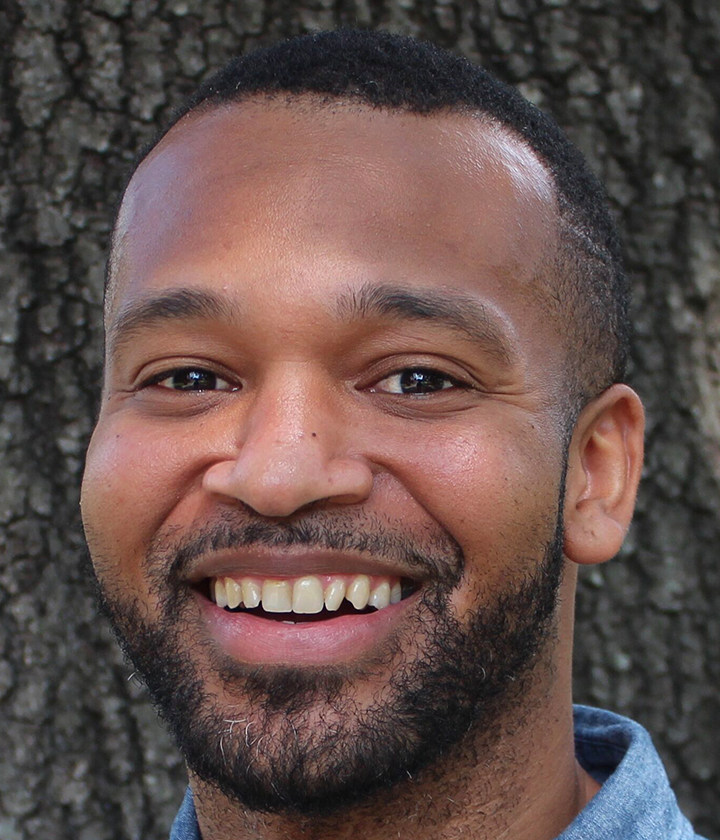
Donte Boyd, PhD
Associate Professor at The Ohio State University College of Social Work
Research focuses on suicidality, mental health, and HIV prevention among Black youth and young men, particularly young Black sexual minority men. Principal Investigator on an NIH R21 grant titled “The Influence of Developmental Assets on Intersectional Stigma and HIV Prevention Behaviors in Black MSM.”
-
Dr. Melanie Bozzay
Licensed clinical psychologist and Assistant Professor in the Department of Psychiatry and Behavioral Health at The Ohio State University Wexner Medical Center.
Currently identifying which patients are at risk for suicide, and when that risk is most heightened, using intensive longitudinal assessment strategies and advanced computational approaches.
-
Dr. Craig Bryan
University of Vermont Larner College of Medicine
Dr. Bryan has held faculty appointments at the University of Texas Health San Antonio, the University of Utah, The Ohio State University, and the University of Vermont, and has managed numerous federally funded projects in excess of $50 million focused on testing treatments for reducing suicidal behaviors, developing innovative methods to identify and detect high-risk individuals, and facilitating recovery after trauma.
-

Dr. Jasmin Brooks Stephens
University of California, Berkeley
Dr. Brooks Stephens’ research program examines the social and contextual risk and protective factors that shape the mental health trajectories of Black youth and emerging adults, with a focus on suicide vulnerability and racial trauma.
-

Kirsty Clark, PhD, MPH
Assistant Professor of Medicine, Health, and Society, Vanderbilt
Directing Project SPEAK (Suicide Perceptions, Expectations, Attitudes, and Knowledge). This vignette-based experimental study examines theories of “suicide scripts” as they relate to LGBTQ+ youth. Also collaborates with colleagues at Harvard, the University of Colorado, and NYU on research using the National Violent Death Reporting System (NVDRS). This work focuses on improving the classification of sexual orientation and gender identity in suicide mortality records through human-in-the-loop machine learning methods, as well as examining sexual orientation and gender identity differences in precursors to suicide mortality using NVDRS data.
-

Ellen-ge Denton, Psy.D., M.S.
Associate Professor, Center for the Study and Prevention of Suicide, University of Rochester Medical Center
Population mental health science: Guiding principles and initial agenda, American Psychologist. The Global Prevalence of Nonsuicidal Self-Injury Among Adolescents, JAMA Network Open. Preteen Suicide Risk Screening in the Pediatric Outpatient Setting: A Clinical Pathway, Journal of the Academy of Consultation-Liaison Psychiatry. Associations between hallucinatory experiences and suicide risk among vulnerable Guyanese youth, World Psychiatry. The role of social connections on suicide attempts after heroin detoxification treatment in South Africa: A prospective study, International Journal of Social Psychiatry.
-
Lauren Gulbas, Ph.D
Associate Professor, The University of Texas at Austin School of Social Work
Trained as a medical anthropologist, her research integrates anthropology and social work to examine suicide risk and prevention, particularly among marginalized populations. She employs qualitative and mixed-methods approaches to study the structural and systemic factors contributing to mental health disparities, with a focus on resilience-based interventions and community-level risk factors.
-

Hyeouk "Chris" Hahm, Ph.D., LCSW
Professor and Associate Dean for Research, Boston University, School of Social Work
Research on epidemiology of suicidal behaviors and suicide prevention, the impact of COVID-19 pandemic on your adults health, economic value of social workers in the U.S, and AI use among students in higher education.
-
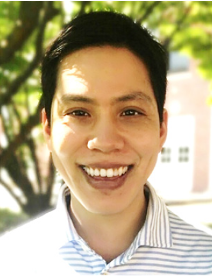
Dr. Richard Liu
Associate Professor of Psychology in the Department of Psychiatry, Harvard Medical School
Project MARS
Leverage mobiles technology with both caregivers and teens to evaluate real-time interpersonal family dynamics in relation to suicidal thoughts and behaviors in the month after discharge from inpatient care. -
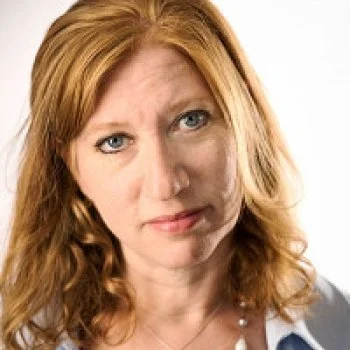
Pamela A. Morris-Perez, Ph.D
Professor of Applied Psychology, NYU Steinhardt School of Culture, Education, and Human Development
Morris-Perez’s newest research, borne from the loss of her 17-year-old daughter Frankie, addresses adolescent suicide from a developmentally-informed, population-health perspective as part of ARCADIA (A Research Center for ADolescent Interconnected Approaches) for Suicide Prevention. Our focus is to strengthen bridges, integrating prevention and intervention, within and across health and education systems, drawing from the “Swiss cheese model” for industrial accidents.
-

Regina Miranda, Ph.D.
Professor, Clinical Psychology, Cognitive Psychology, Health Psychology, Hunter University
Laboratory for the Study of Youth Cognition and Suicide
Seeks to understand why young people think about and attempt suicide in a way that can inform assessment, treatment, and prevention of suicide risk. -
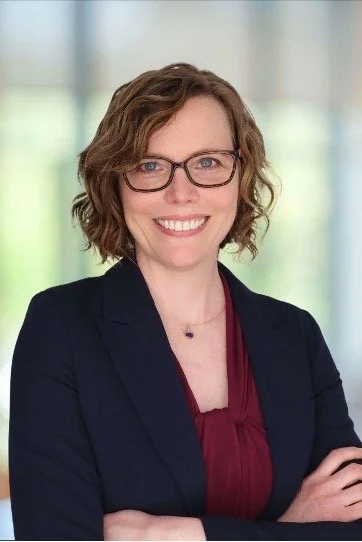
Anna S. Mueller, PhD
Luther Dana Waterman Professor, Indiana University
Mueller’s research agenda examines how social relationships and social contexts shape adolescent health and wellbeing over the transition to adulthood, with a focus on understanding adolescent suicide and suicide clusters. She is a leading expert on youth suicide and suicide prevention in schools and is passionate about helping communities heal after suicide losses.
-
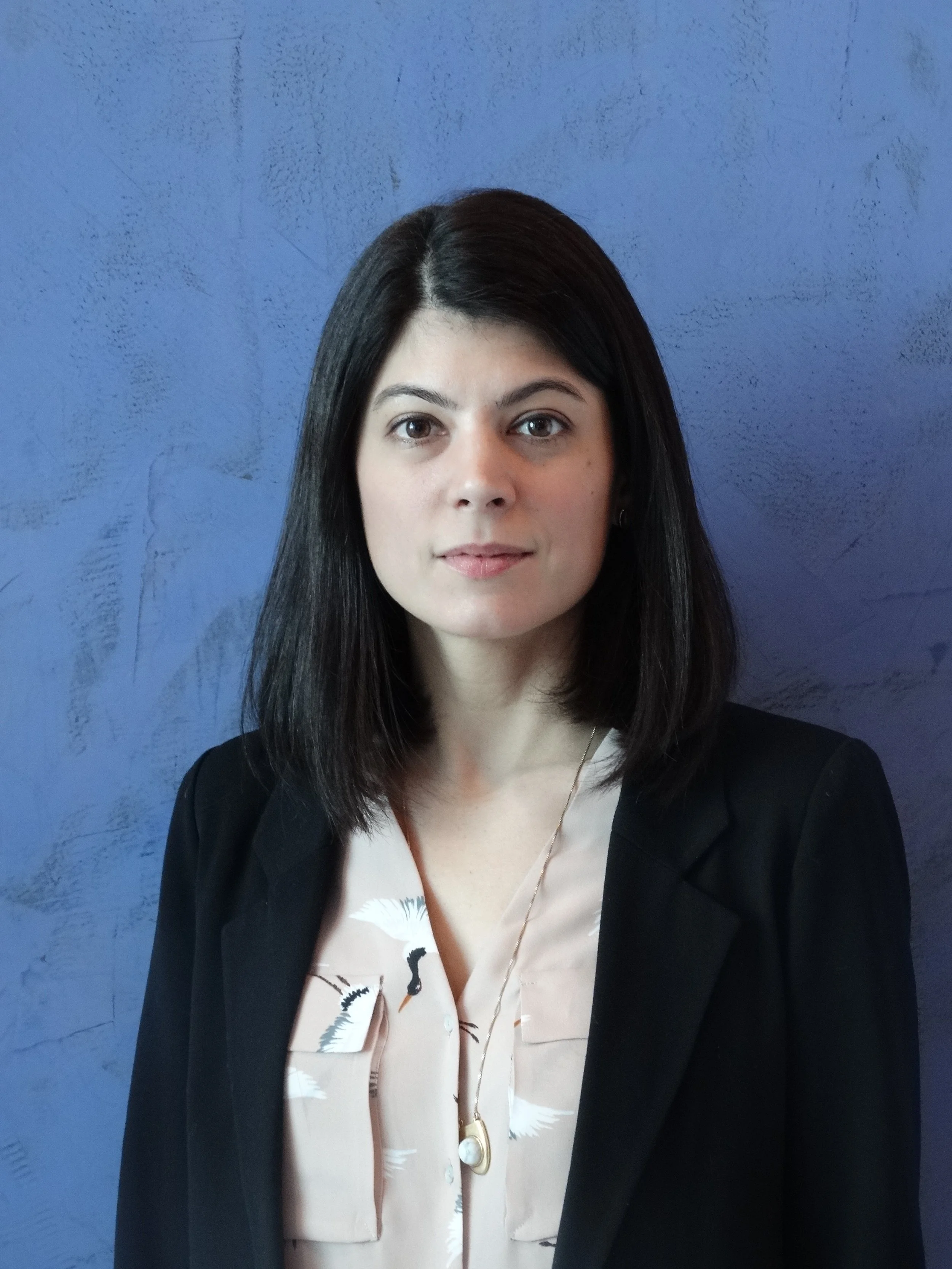
Dr. Ana Ortin-Peralta
Assistant Professor | School-Clinical Child Psychology Program, Yeshiva University
Content of suicidal ideation and warning signs in children
Intergenerational transmission of suicide risk
Family dynamics and bidirectional influences
-
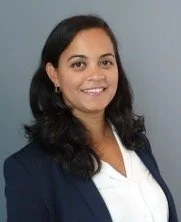
Lillian Polanco-Roman
Assistant Professor, NYU Steinhardt
Dr. Polanco-Roman's teaching and research interests are in the intersecting areas of cultural psychology, quantitative research methods, mental health, and youth development. Her research aims to investigate the sociocultural context of the development of mental health problems, particularly suicide risk, as well as in the promotion of mental well-being among racially/ethnically minoritized and immigrant adolescents and young adults.
-
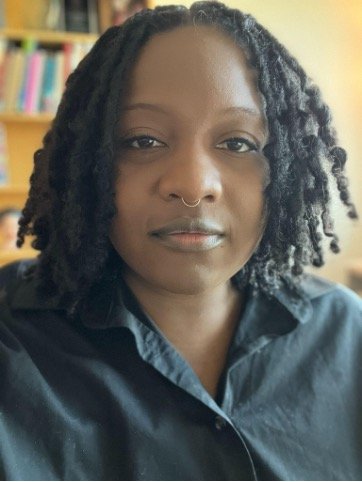
Myeshia N Price, Ph.D.
Associate Research Scientist | Kinsey Institute, Indiana University Bloomington
Surveyed K-12 educators about their experiences, interest, and ability to make their classrooms LGBTQ
-
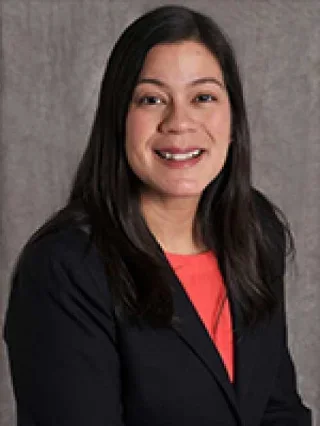
Jazmin Reyes-Portillo, Ph.D.
Associate Professor of Psychology, Director, Youth Mental Health Services Lab, Montclair State University
Research examining the use of a generative AI mental wellness coach (Wayhaven) to increase engagement with mental health treatment among college students at risk for suicide, as well as examining the impact of social media use on depression, anxiety, and suicidality among youth.
-

Megan L. Rogers, PhD
Director, Prevention and Research in Suicide Mechanisms (PRISM) Lab, Texas State University
FESTA Program
Program of research broadly aims to understand, improve the assessment of, and intervene upon processes that confer risk for suicidal ideation, intent, and behavior. -

Bev Rosario-Williams
Johns Hopkins Bloomberg School of Public Health
Her research has focused on examining the socio-emotional factors that increase risk of suicidal thoughts and behaviors among adolescents and emerging adults within family systems. She is also interested in cultural and linguistic adaptations of evidence-based interventions for Latinx youth and their caregivers that address emotion dysregulation and suicidal thoughts and behaviors.
-
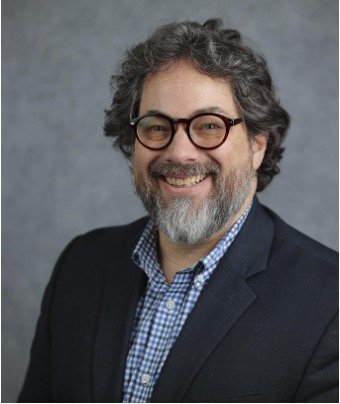
Jonathan B. Singer, Ph.D., LCSW
Professor at Loyola University Chicago's School of Social Work, Past-President of the American Association of Suicidology
Dr. Singer is interested in the interpersonal mechanisms that protect against or contribute to youth suicidal risk within families; how and why parents access services for their suicidal children; how to improve school responsiveness to youth suicide crises; and how technologies such as podcasts and social media sites can be used to disseminate information about prevention and intervention of youth suicidal behaviors, cyberbullying, and social work education and training.
-

Dr. Lisa Wexler
University of Michigan
Dr. Wexler’s participatory research has partnered with Indigenous people to identify cultural and community-level protective factors to prevent suicide. Her community and school-based interventions strengthen social care and connection. Instead of orienting toward professional solutions as many suicide prevention programs do, her work creates hopeful opportunities for all people to contribute to social and mental health, reduce suicide risk, and prevent crises through everyday actions.
-
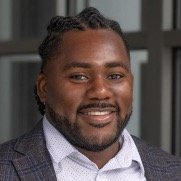
Dr. Nate Woods
Pennsylvania College of Technology
Dr. Woods is the Managing Partner and co-founder of DOT Service LLC, a leadership development firm. His clients include Southeastern University, Every Nation’s 10-Days missions group, University of Alabama - Birmingham, Controlled Contamination Services, Polk County Schools, Grays Harbor College, Hope Squad, and Grays Harbor County Schools to name a few.

Past Participants
-
Dr. Rhonda C. Boyd is an Associate Professor in the Department of Child and Adolescent Psychiatry and Behavioral Sciences at the Children’s Hospital of Philadelphia (CHOP) and the University of Pennsylvania Perelman School of Medicine. She is the Associate Director of the CHOP’s Child and Adolescent Mood Program in the outpatient clinic where she practices as a licensed psychologist specializing in the evaluation and treatment of youth with depression and suicide risk.
-
Amy's research interests fall under the broad category of adolescent and young adult self-harm and risk-taking behaviors. Specifically, she studies risk and protective factors for suicide, as well as non-suicidal self-injury. She is especially interested in the role of the body in self-harm, and how factors such as body image, body protection, and body attitudes are related to an individual’s propensity to inflict harm on oneself.
-
Cindy Claassen, Ph.D. is the Director of Psychology, Research and Psychology within the Behavioral Health Service, JPS Health Network in Fort Worth. Her published research has largely been in the areas of the epidemiology of suicidal events and identification and treatment of patients experiencing acute suicidal crises.
-
Nadia Al-Dajani, Ph.D., is an Assistant Professor in the Department of Psychological and Brain Sciences at the University of Louisville. Dr Al-Dajani's research focuses on the identification of near-term risk and protective factors of suicidal thoughts and behaviors to better understand contributors of momentary suicide risk and to develop novel prevention/intervention methods.
-
Noni's primary research interest has been in the investigation of stress, coping, and psychosocial functioning in African American adolescents. She examines the effects of stressors in multiple contexts on depression and anxiety in urban, ethnic minority youth.
-
David A. Jobes, Ph.D., ABPP, is a Professor of Psychology, Director of the Suicide Prevention Laboratory, and Associate Director of Clinical Training at The Catholic University of America. He is the author of seven books and numerous peer-reviewed journal articles. Dr. Jobes is a past President of the American Association of Suicidology (AAS) and the recipient of various awards for his scientific work.
-
Thomas Joiner, Ph.D. is The Robert O. Lawton Distinguished Professor in the Department of Psychology at Florida State University (FSU), Tallahassee, Florida. Dr. Joiner’s work is on the psychology, neurobiology, and treatment of suicidal behavior and related conditions.
-
Dr. Keyne Law completed her doctoral education at the University of Southern Mississippi and her pre-doctoral clinical internship at the Medical University of South Carolina in Charleston, SC. Her research primarily focuses on examining the dynamic changes and interplay between ecological, cognitive, emotional, behavioral, and biological systems that facilitate the development of suicidal thoughts and the progression into lethal suicidal behavior.
-
Dr. Mitchell joined the Texas Tech University Department of Psychological Sciences as an Assistant Professor in 2019. His research interests include suicide risk and protective factors, interventions, and prevention.
-
Laura Novak, M.S., M.P.S. is a fifth-year civilian doctoral student in Clinical Psychology at the Uniformed Services University of the Health Sciences (USU) in Bethesda, MD, working under the mentorship of Dr. Marjan Holloway. Ms. Novak’s program of research focuses on factors associated with help-seeking among individuals experiencing suicidal thoughts and behaviors, particularly among Service members, Veterans, and their families.
-
Erik Reinbergs, PhD is an assistant professor in the combined school/clinical psychology program at the University of Houston Clear Lake. He is also a licensed psychologist and a credentialed school psychologist. He focuses on the prevention, assessment, and treatment of suicide and self-harm across school and clinical settings, particularly for youth and families.
-
Beverlin Rosario-Williams, Ph.D. is a doctoral candidate in the Health Psychology and Clinical Science Ph.D. program at The Graduate Center, City University of New York. Her research focuses on the interplay of cognitive-emotional factors that increase the risk of suicidal thoughts and behaviors among adolescents and emerging adults, particularly minoritized youth.
-
Dr. Megan Rogers is an Assistant Professor of Psychology at Texas State University. Dr. Rogers's research primarily focuses on short-term cognitive, physiological, affective, and behavioral risk factors for suicidal thoughts and behaviors, with an emphasis on the phenomenology, etiology, and assessment of acute suicidal crises.
-
Jonathan B. Singer, Ph.D., LCSW is Professor at Loyola University Chicago's School of Social Work, Past-President of the American Association of Suicidology and coauthor of two editions of the best-selling text, Suicide in Schools: A Practitioner's Guide to Multi-level Prevention, Assessment, Intervention, and Postvention.
-
Madhukar Trivedi is a Professor of Psychiatry, Chief of the Division of Mood Disorders, and Founding Director of the Center for Depression Research and Clinical Care at UT Southwestern Medical Center. Dr. Trivedi is an established clinical and translational researcher with extensive experience serving as PI on numerous single and multi-site clinical trials funded by NIH, foundations, and industry sponsors. He is the scientific director of the Texas Youth Depression and Suicide Research Network (TX-YDSRN), a statewide initiative to assess the status of youth mental health and to spread the use of measurement-based care in Texas.
M2G Mental Health Initiative
-

M2G Mental Health Initiative
Following the loss of a loved one to bipolar disorder in 2017, M2G’s co-founders, Susan Gruppi Miller and Jessica Miller Essl, channeled their heartbreak into action by launching M2G’s Mental Health Initiative (MHI). As a recognized 501(c)(3), we have set out to raise awareness and drive advocacy to change the way mental illness is diagnosed and treated, now and in the future. LEARN MORE »